Destinations
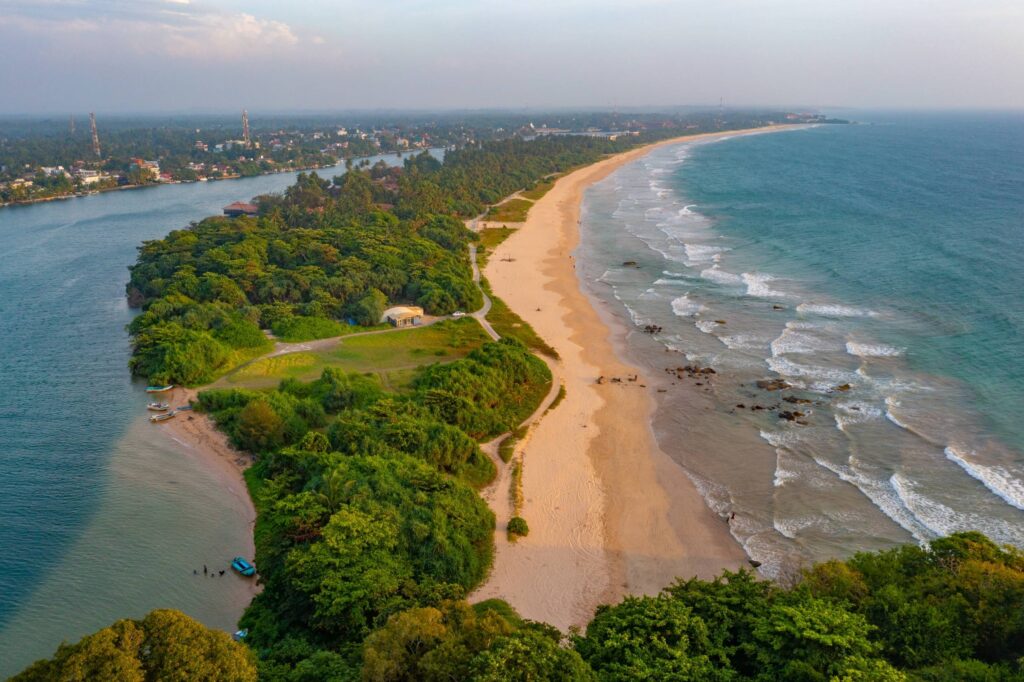
Sri Lanka’s coastline stretches over 1,300 kilometres, offering everything from laid-back fishing villages to buzzing surf towns and secluded lagoons. Whichever coast you choose, expect warm water, fresh seafood and golden sand.
Trincomalee
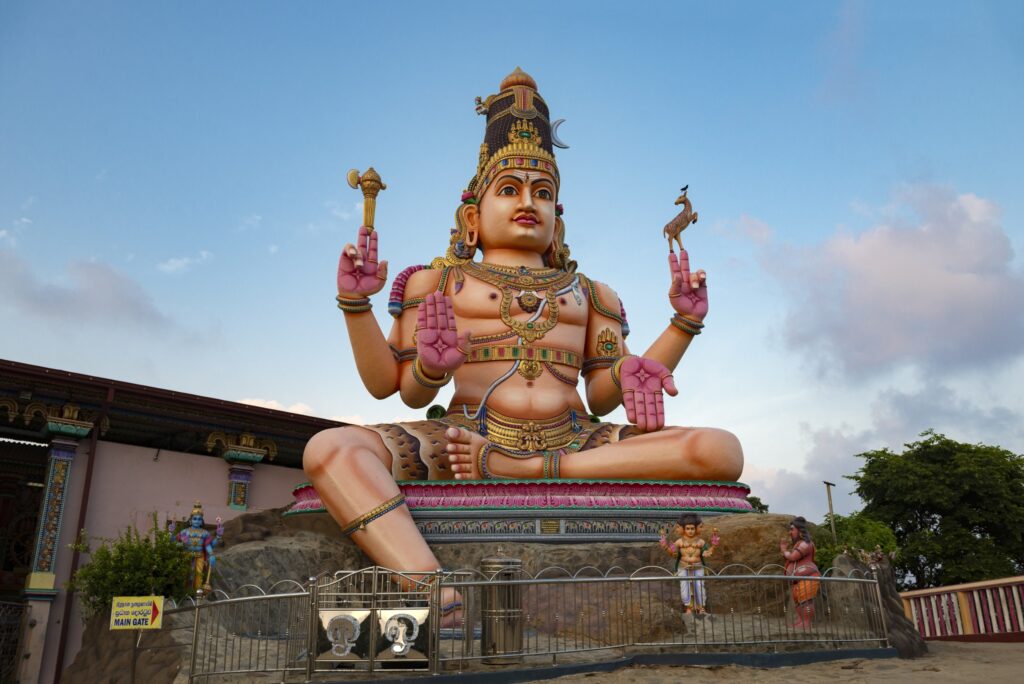
A historic natural harbour town on Sri Lanka’s northeast coast, Trincomalee is home to the clifftop Koneswaram Temple, one of the island’s most significant Hindu shrines. The surrounding waters offer excellent diving sites, including wartime wrecks, alongside pristine beaches like Marble Bay, making it a destination that pairs deep history with genuinely unspoiled coastal scenery.
Best time: May to September.
Hikkaduwa
A vibrant town on Sri Lanka’s south coast, Hikkaduwa blends coral reef snorkelling, reliable surf breaks and a lively beachfront scene into one compact stretch of coastline. Glass-bottom boat tours reveal the reef’s turtles and tropical fish, while beach bars and night markets keep the energy going after dark, making it a favourite for younger and independent travellers.
Best time: November to April.
Nilaveli
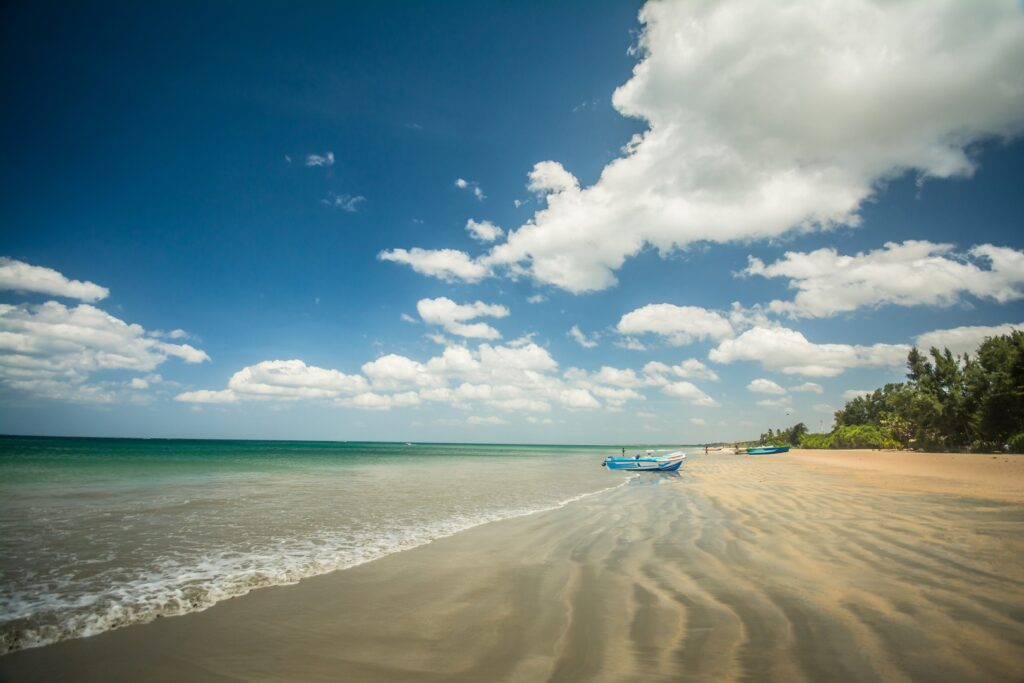
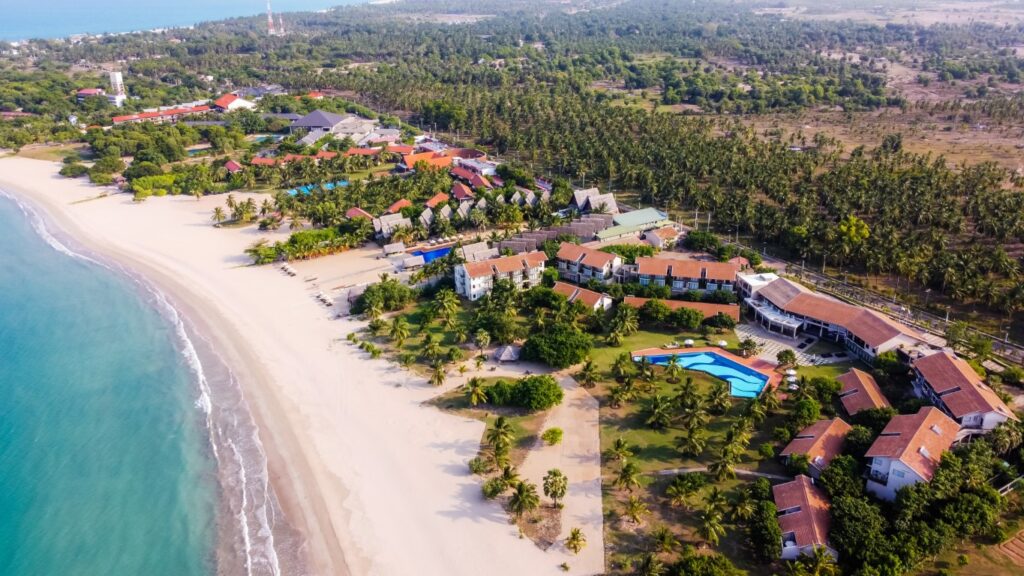
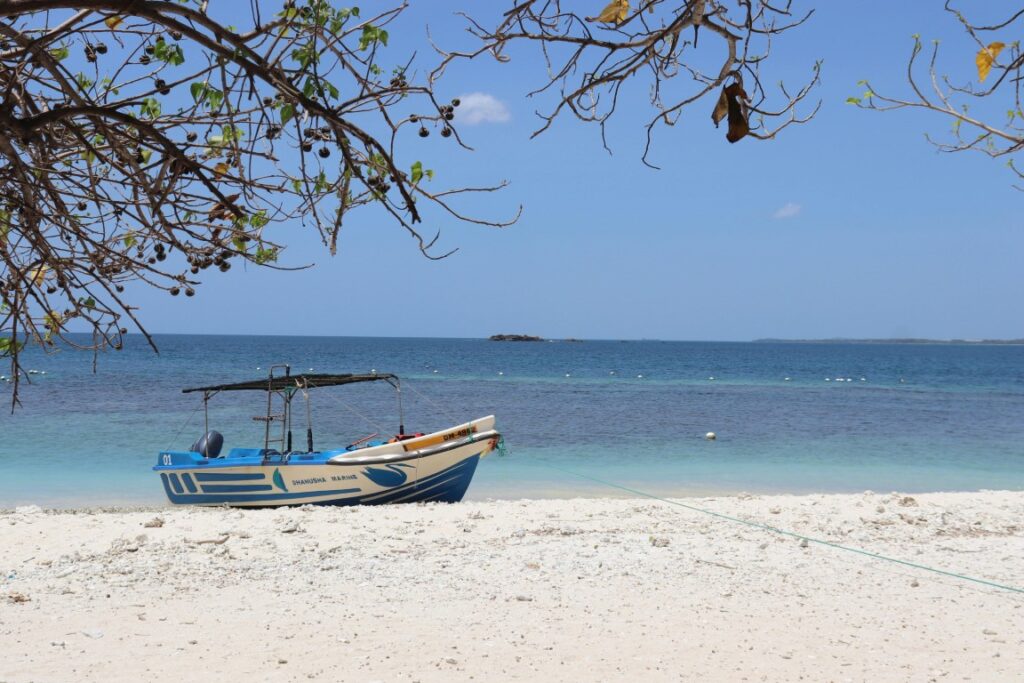
A pristine east-coast beach near Trincomalee, Nilaveli is known for calm, turquoise waters and powder-soft sand that stretches for kilometres with little development. Its proximity to Pigeon Island’s coral reefs makes it a top base for snorkelling and diving, with reef sharks and colourful fish commonly sighted just a short boat ride from shore.
Best time: May to September.
Tangalle
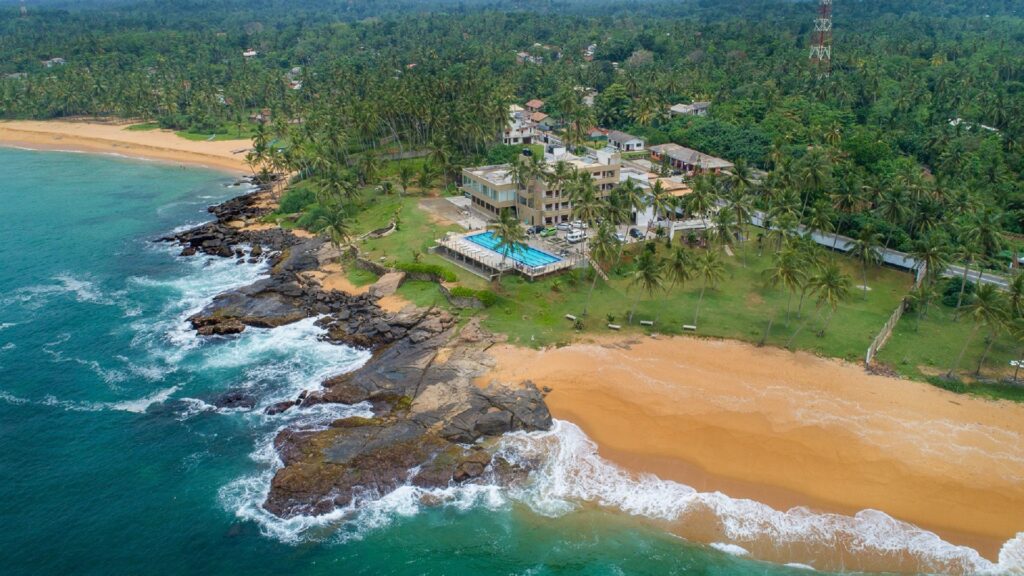
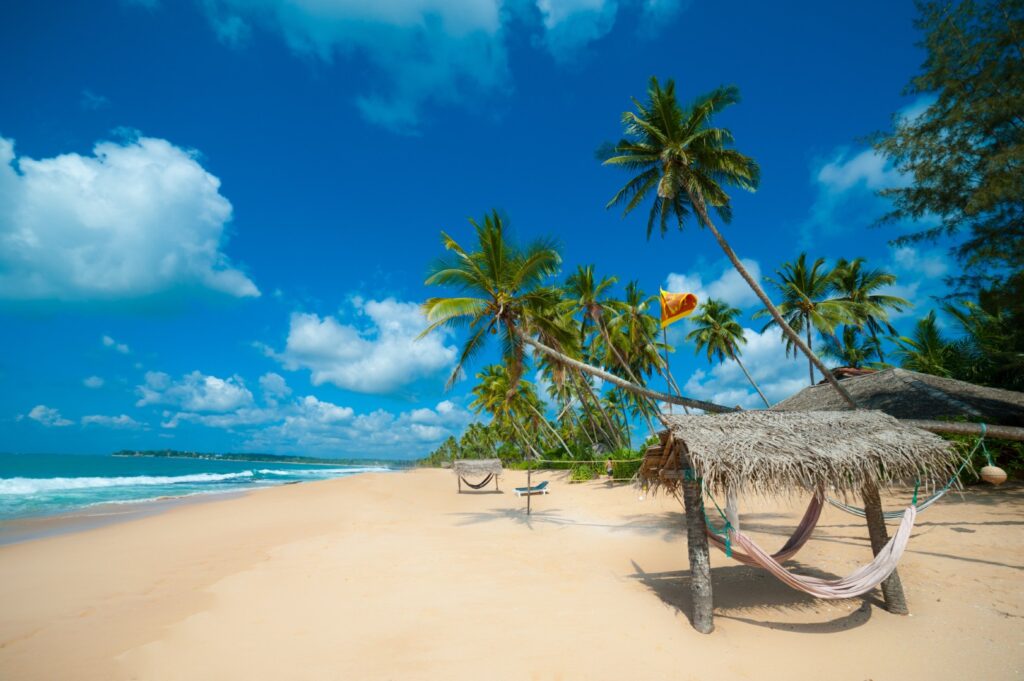
An unspoiled destination on Sri Lanka’s southern coast, Tangalle offers wide, wild beaches, quiet coves and rocky headlands largely untouched by mass tourism. A handful of boutique retreats and eco-lodges sit tucked among coconut groves, giving the area a secluded, away-from-the-crowds feel, while nearby turtle nesting beaches and lagoons add extra draws for nature-minded travellers.
Best time: November to April.
Kalpitiya
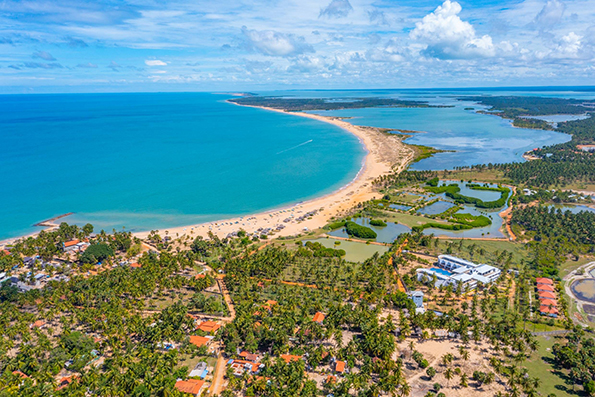
A remote peninsula on Sri Lanka’s northwest coast, Kalpitiya is prized for kitesurfing, with steady cross-shore winds that rank among the best in South Asia. Its sheltered lagoon suits beginners, while the open sea challenges experienced riders. Beyond the sport, dolphin watching trips regularly encounter large pods, and the peninsula’s undeveloped coastline offers a wilder, more remote beach experience.
Best time: May to October.
Mirissa
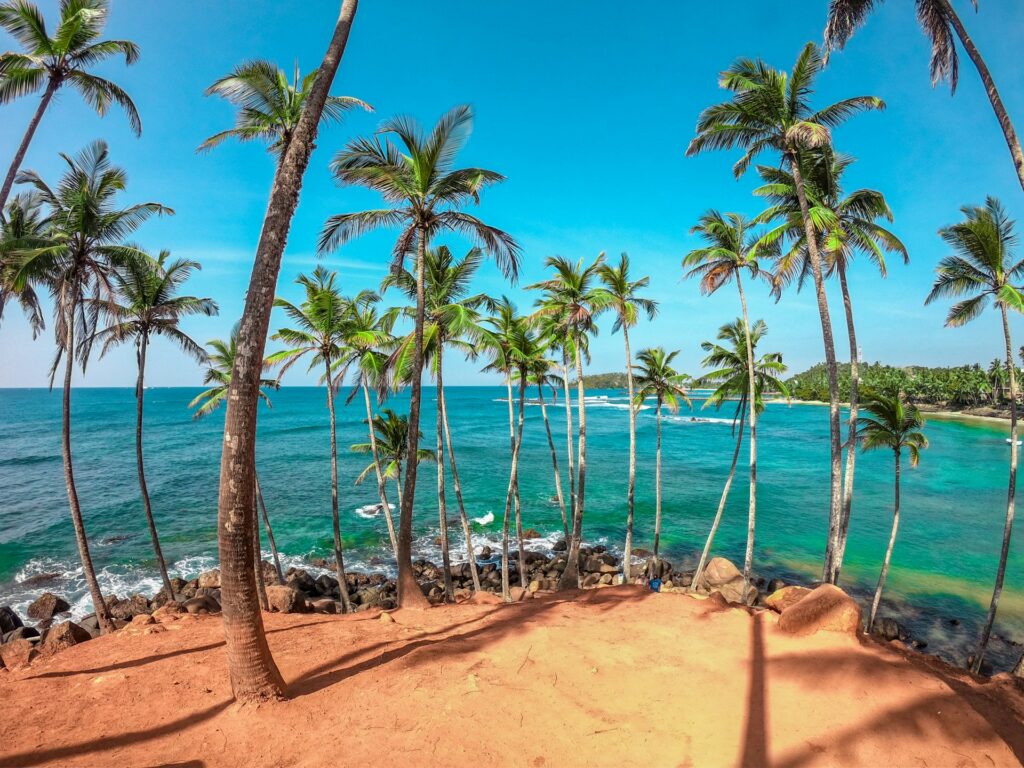
A crescent-shaped beach on Sri Lanka’s south coast, Mirissa is celebrated for whale watching, with blue whales and sperm whales frequently spotted just offshore during the season. Laid-back beach bars line the sand for sunset drinks, while the palm-fringed coconut tree hill offers one of the country’s most photographed sunset views, drawing travellers seeking both adventure and relaxation.
Best time: November to April.
Pasikuda
A quiet east-coast bay famous for its shallow, calm waters that stretch remarkably far from shore, Pasikuda is ideal for families, swimmers and anyone seeking a gentler stretch of coastline. The bay’s flat seabed and near-total absence of undertow make it one of the safest swimming spots on the island, while a handful of resorts keep the shoreline peaceful and uncrowded.
Best time: May to September.
Negombo
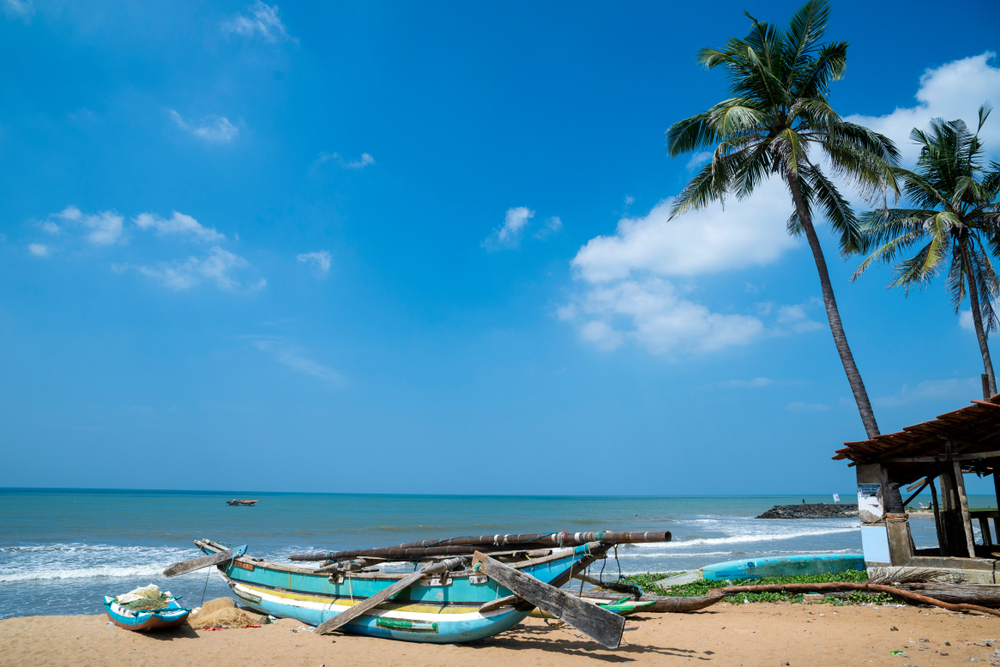
A lively fishing town close to the international airport, Negombo blends colonial history with everyday coastal life. Its Dutch-built canals once moved cinnamon and spices, while today the bustling fish market offers an early-morning glimpse of the day’s catch. Easy beach access and a wide choice of hotels make it a popular first or last stop on any Sri Lankan itinerary.
Best time: Year-round.
Arugam Bay
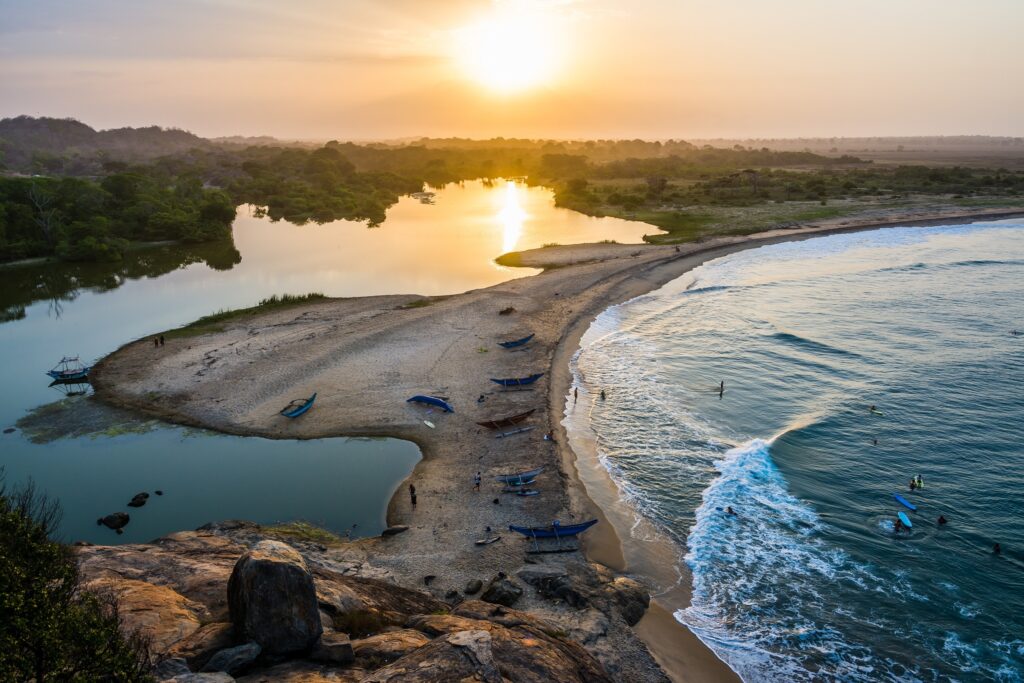
A world-renowned surf destination on Sri Lanka’s east coast, Arugam Bay is famed for its long right-hand break, one of the finest in Asia, drawing surfers of every skill level. Beyond the waves, its laid-back backpacker energy shows up in beachfront cafés, yoga shalas and reggae bars, while nearby lagoons and national parks add jungle safaris and birdwatching to the mix.
Best time: April to October.
Bentota
A river-meets-ocean resort town on Sri Lanka’s west coast, Bentota pairs wide golden beaches with a lazy river winding through mangroves and coconut groves. It’s renowned for water sports like jet-skiing and nearby turtle hatcheries, and is also home to luxury retreats designed by architect Geoffrey Bawa, blending open verandas with lush tropical landscaping and calm lagoon views.
Best time: November to April.
Sri Lanka’s ancient kingdoms left behind some of Asia’s most remarkable archaeological treasures, from rock fortresses to sprawling monastic cities. This trail traces the island’s royal and religious history through its best-preserved ruins.
Anuradhapura
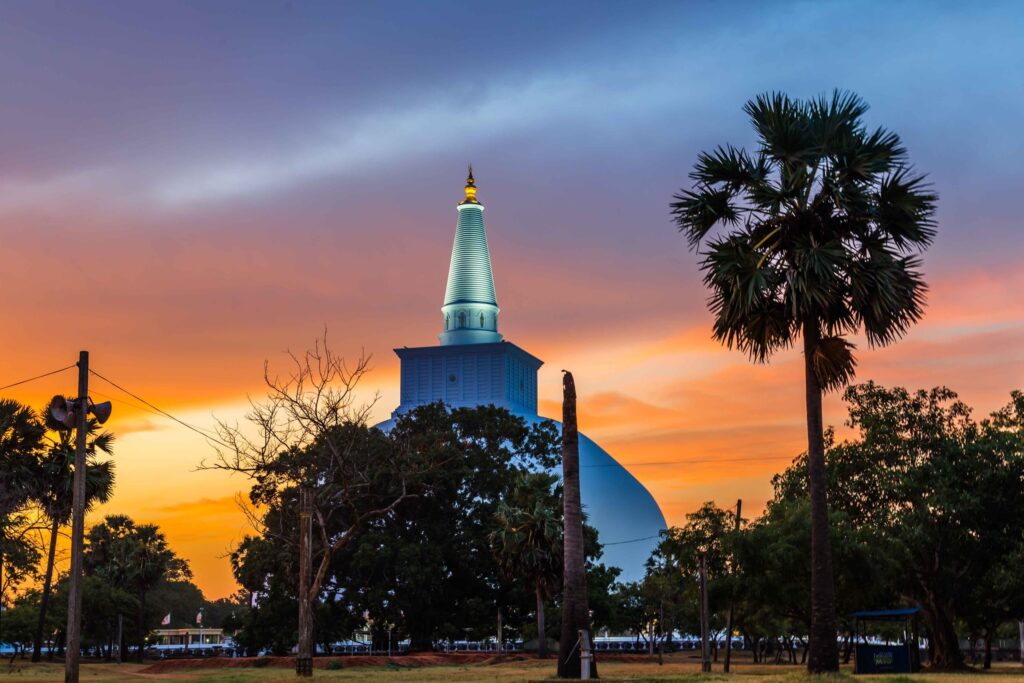
The island’s first great capital and a major pilgrimage site, Anuradhapura is home to ancient stupas rising like white domes above the tree line, alongside the sacred Sri Maha Bodhi tree, grown from a cutting of the original Bodhi tree in India. Vast monastic ruins and reservoirs spread across the site tell the story of over a thousand years of continuous civilisation.
Best time: Year-round.
Yapahuwa
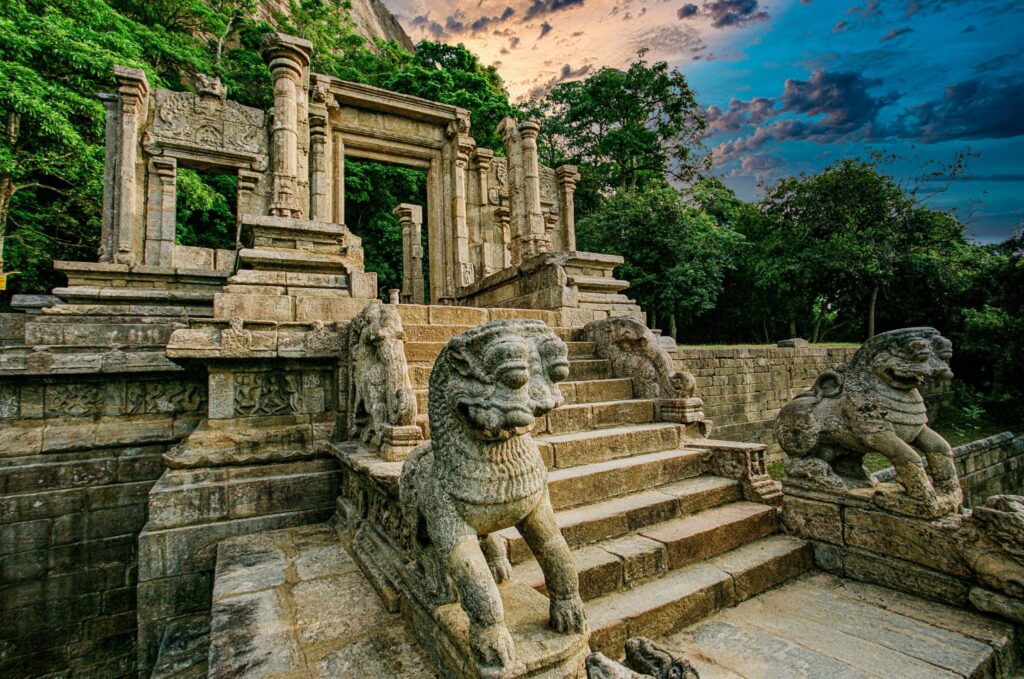
A lesser-visited rock fortress that briefly served as Sri Lanka’s capital in the 13th century, Yapahuwa is notable for its elaborately carved stone stairway, one of the finest examples of ancient Sinhalese stonework. With far fewer visitors than Sigiriya, the site offers a quieter, more atmospheric climb, along with cave temples and panoramic views from its rocky summit.
Best time: December to April.
Dambulla Cave Temple
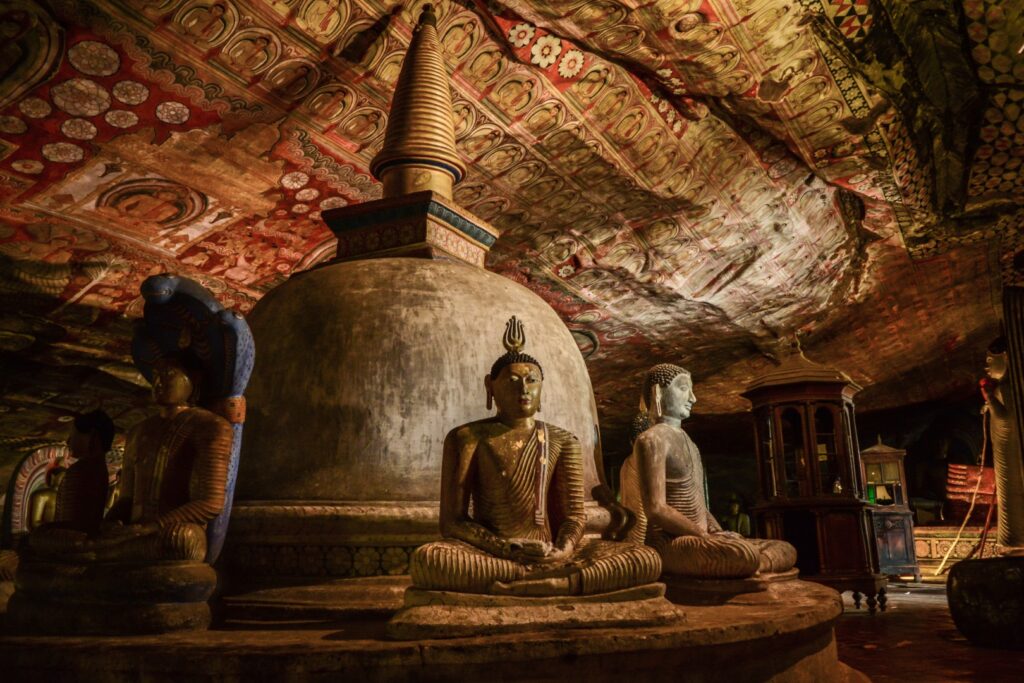
A UNESCO World Heritage cave complex, Dambulla houses over 150 Buddha statues alongside centuries of painted murals spread across five interconnected sacred caves carved into a granite outcrop. Still an active place of worship, the temple offers sweeping views over the surrounding countryside from its entrance, and pairs well with a same-day visit to nearby Sigiriya.
Best time: Year-round.
Sigiriya
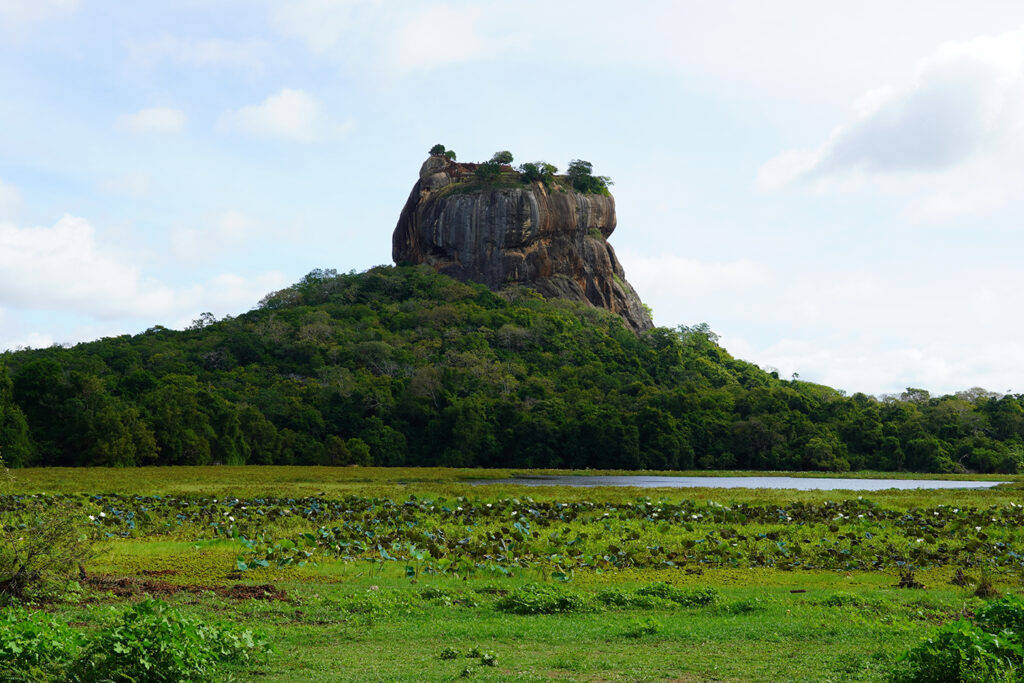
An extraordinary rock fortress rising 200 metres above the surrounding plains, Sigiriya is crowned by the ruins of a 5th-century royal palace built by King Kashyapa. The climb passes ancient frescoes of celestial maidens and the famous Mirror Wall, before opening onto sweeping views from the summit, making it one of Sri Lanka’s most iconic and photographed landmarks.
Best time: December to April.
Polonnaruwa
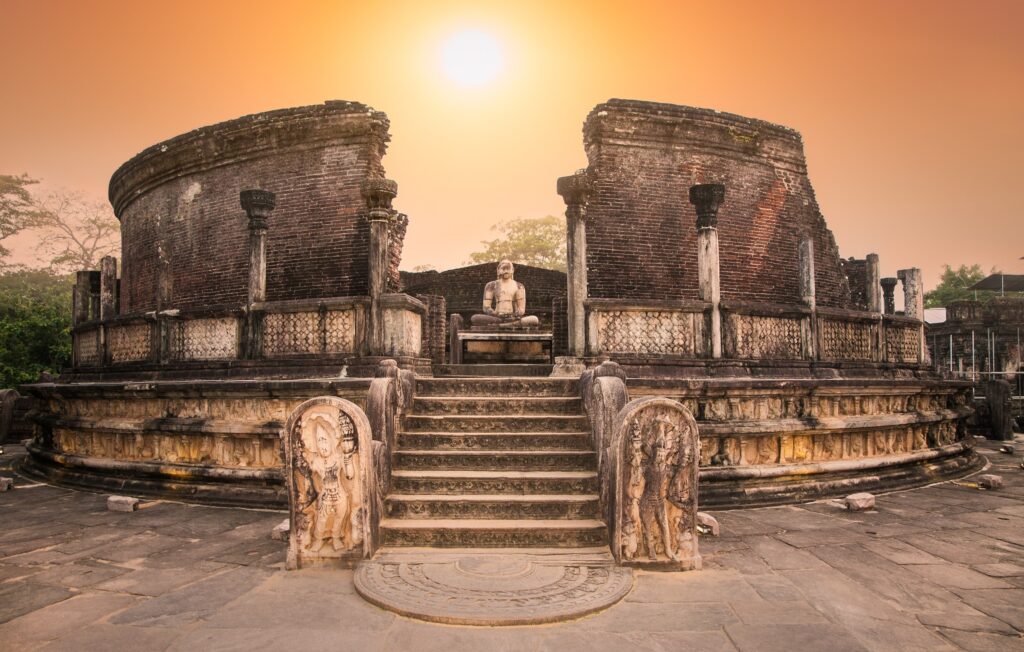
Sri Lanka’s medieval capital, Polonnaruwa, is home to remarkably well-preserved stone temples, royal palaces and irrigation reservoirs that once sustained an entire kingdom. Its centrepiece, the Gal Vihara, showcases four colossal Buddha statues carved directly into rock. Cycling between the scattered ruins under shade trees remains one of the most rewarding ways to explore this UNESCO World Heritage site.
Best time: Year-round, early morning recommended.
The central highlands offer a cooler, greener side of Sri Lanka, where tea estates, cloud forests and dramatic viewpoints replace the tropical coast. This region rewards slower travel and early starts.
Knuckles Mountain Range
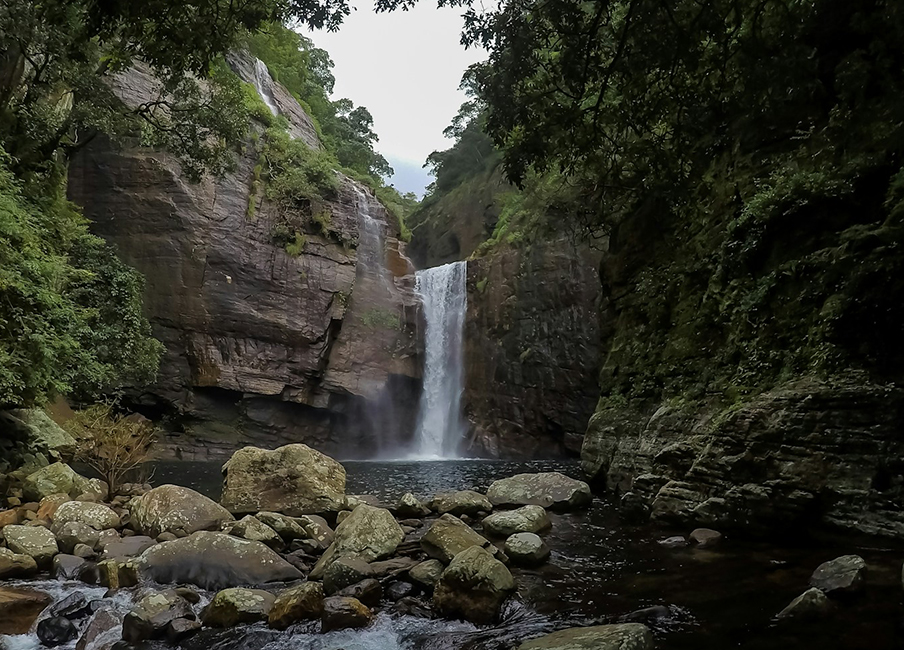
A rugged, biodiverse mountain range named for its knuckle-like peaks, the Knuckles Range is popular for serious trekking and camping away from the island’s more accessible trails. Dense cloud forest, cascading waterfalls and traditional villages dot the landscape, with several endemic species found only within its boundaries, making it a favourite for experienced hikers and nature researchers alike.
Best time: January to April and August to September.
Nuwara Eliya
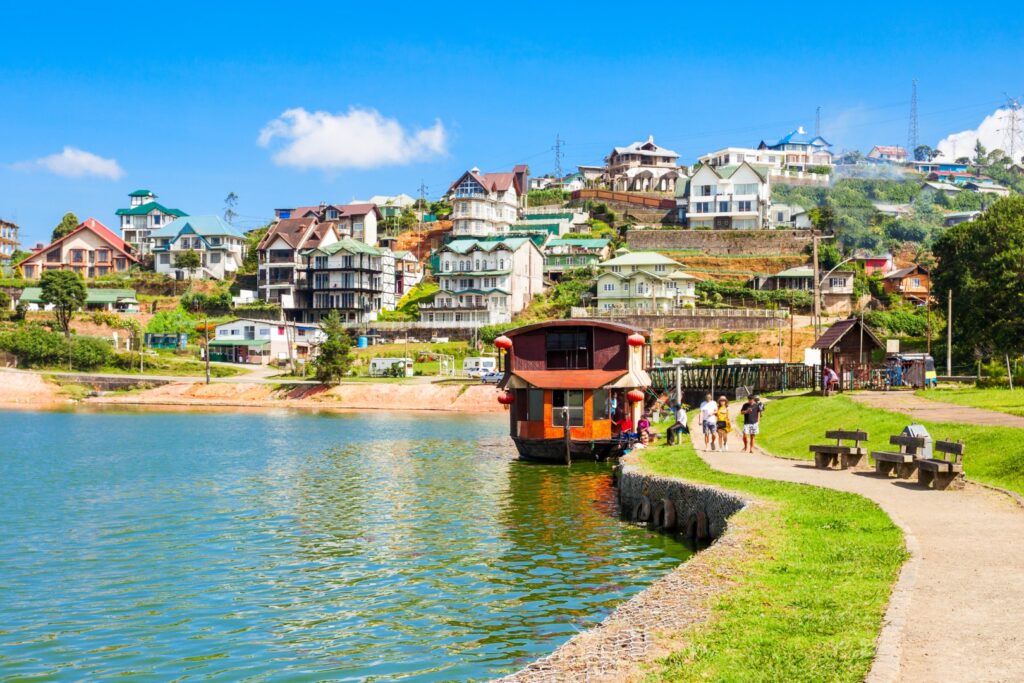
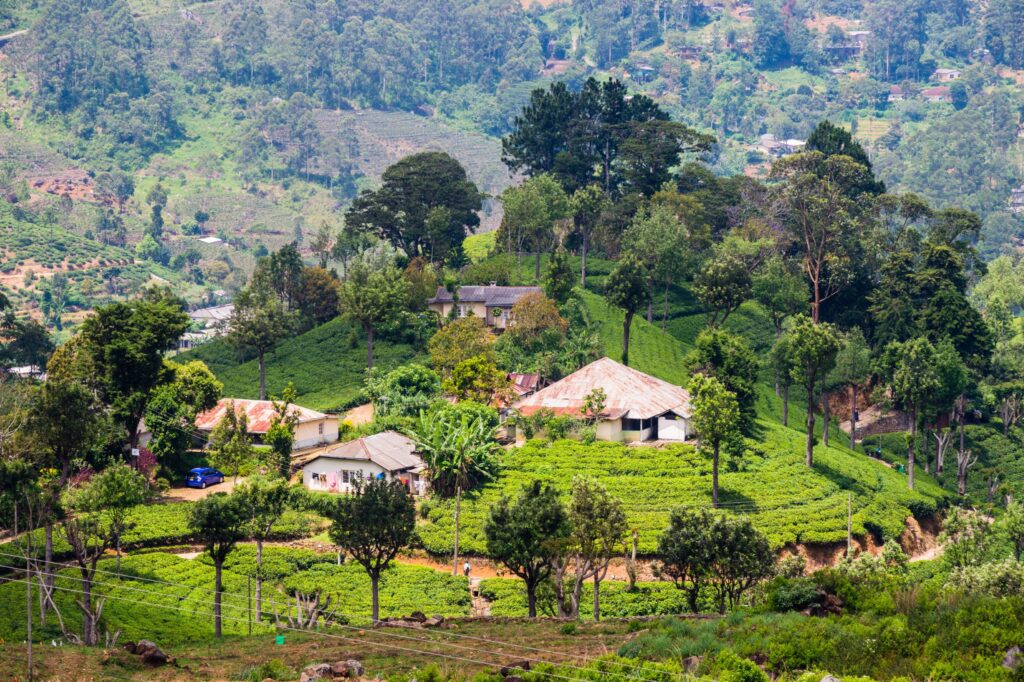
Known as “Little England” for its colonial architecture and cool climate, Nuwara Eliya is surrounded by manicured tea estates and formal gardens that recall its origins as a 19th-century British hill retreat. Tudor-style buildings, a golf course and Victoria Park give the town a distinctly different character from the rest of Sri Lanka, best enjoyed with a warm jacket in hand.
Best time: December to March.
Horton Plains
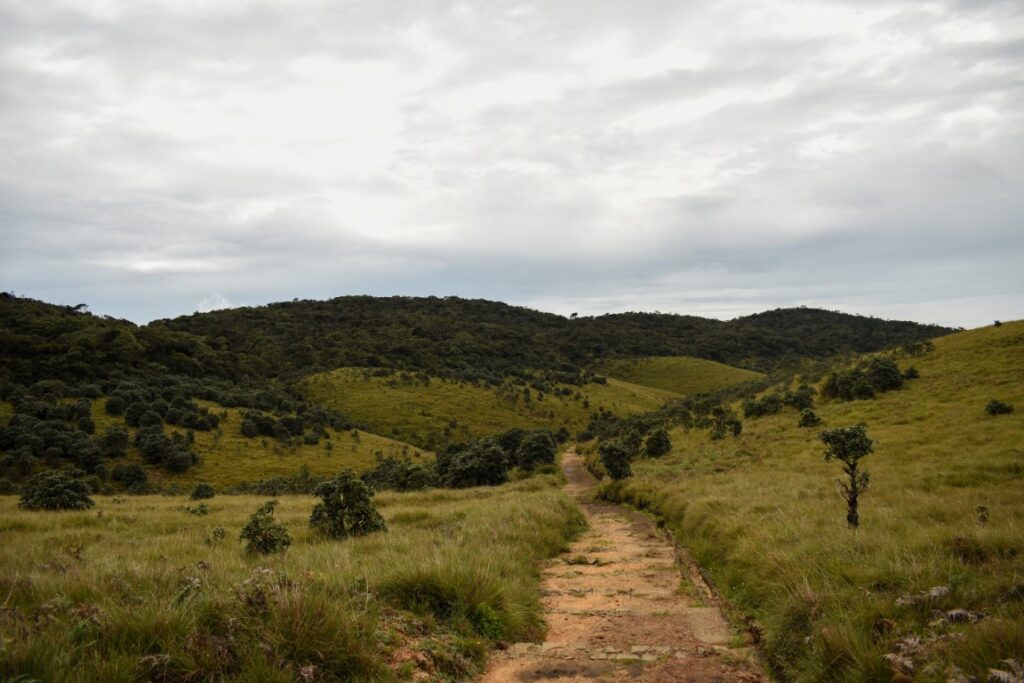
A high-altitude national park of misty grasslands and cloud forest, Horton Plains is home to the dramatic World’s End escarpment, where the land drops nearly 900 metres in a sheer cliff face. Early morning visits offer the clearest views before clouds roll in, while the surrounding trails pass Baker’s Falls and shelter endemic wildlife found nowhere else on the island.
Best time: January to March, early morning.
Haputale
A quieter, less-visited hill station, Haputale offers sweeping views over the southern plains that stretch, on clear days, all the way to the coast. It provides access to Lipton’s Seat, a viewpoint tied to Sri Lanka’s tea heritage where Sir Thomas Lipton is said to have surveyed his plantations, making it a rewarding stop for travellers seeking highlands without the crowds.
Best time: January to March.
Ella
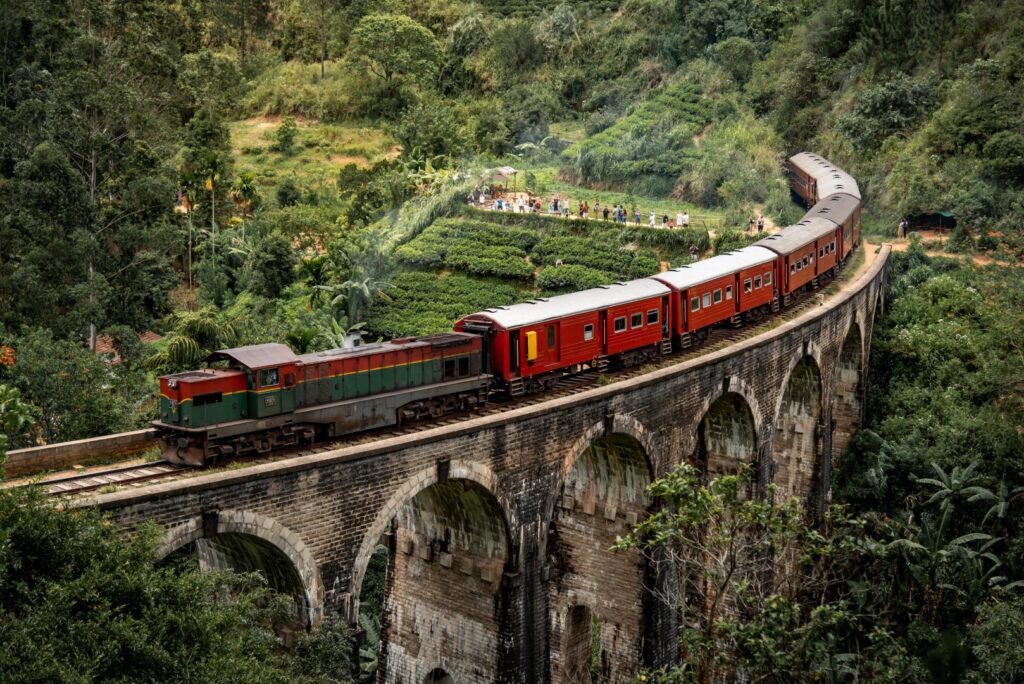
A laid-back hill town framed by tea-covered mountains, Ella is famous for the Nine Arch Bridge, an engineering marvel best seen as a train rumbles across it, and Little Adam’s Peak, a gentle hike with panoramic valley views. The Kandy to Ella train ride is widely considered one of the world’s most scenic, winding through mist-covered plantations and tunnels.
Best time: December to March.
Sri Lanka’s national parks protect a concentration of wildlife, from leopards and elephants to rare birdlife and untouched rainforest. This collection showcases the island’s wild side.
Sinharaja Rainforest
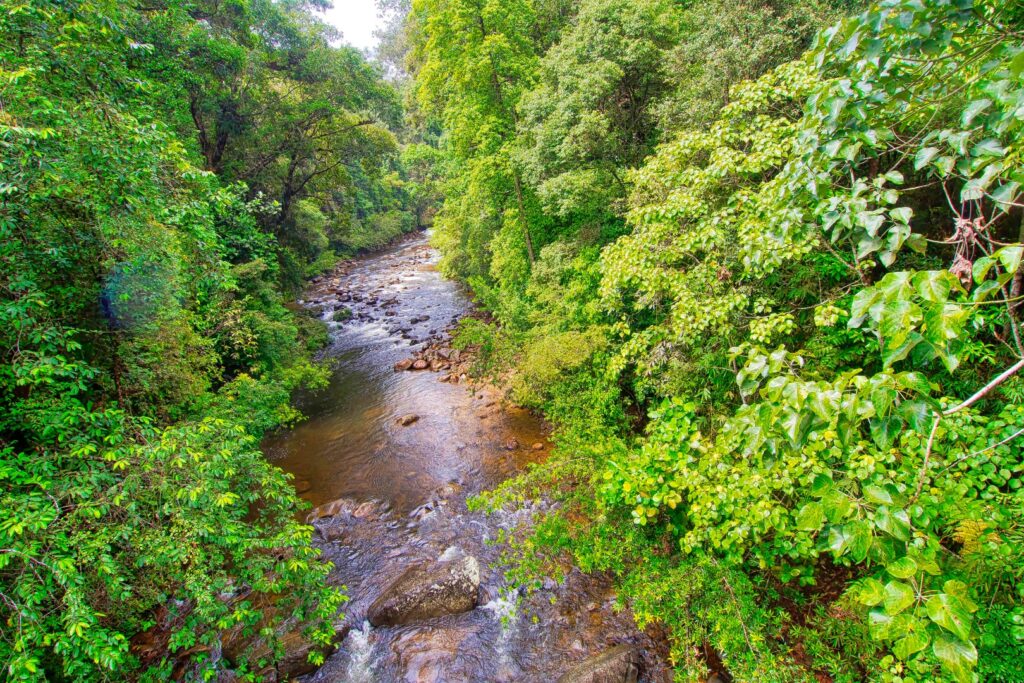
A UNESCO-listed rainforest reserve and biodiversity hotspot, Sinharaja protects one of the last remaining stretches of Sri Lanka’s primary lowland rainforest. Endemic birds, amphibians and butterflies found nowhere else on Earth thrive beneath its dense canopy, while guided walks along muddy trails reveal the reserve’s rich, layered ecosystem at a slower, more immersive pace.
Best time: January to March and August to September.
Yala National Park
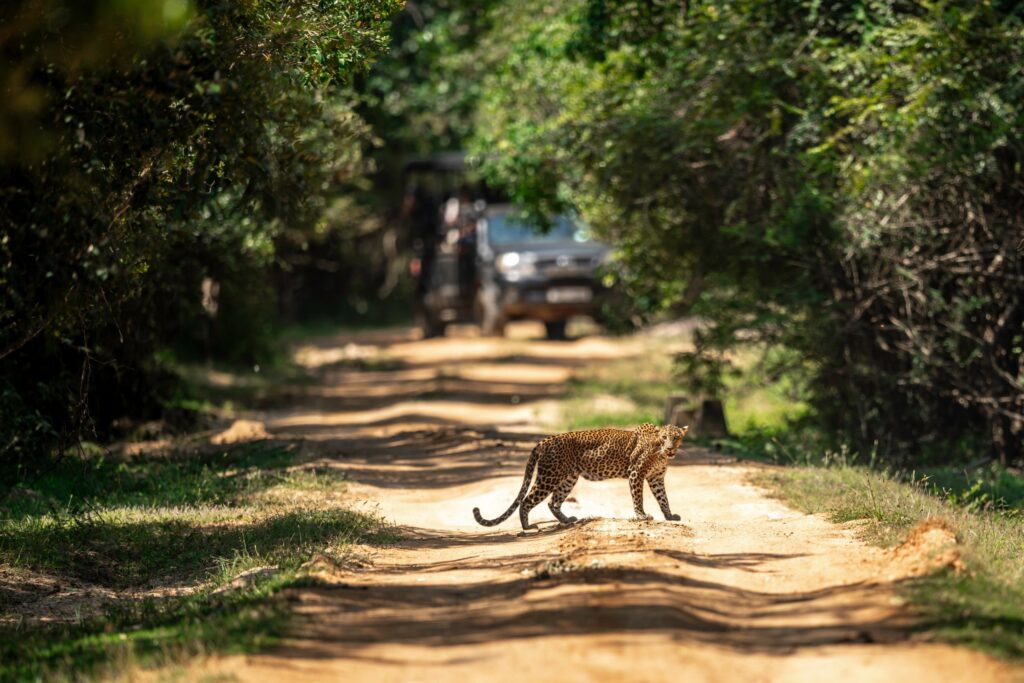
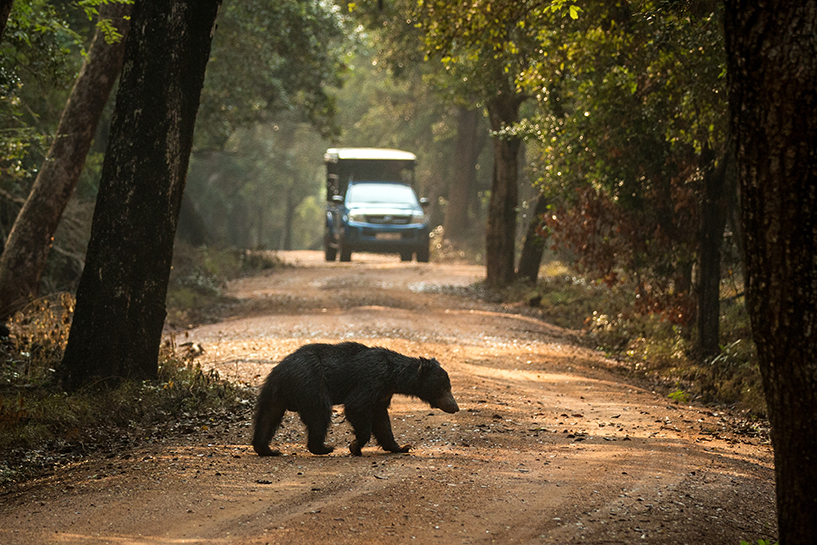
Sri Lanka’s most visited park, Yala, is home to one of the highest leopard densities in the world, alongside elephants, sloth bears and rich birdlife across its varied terrain of scrubland, lagoons and rocky outcrops. Early morning and late afternoon safaris offer the best chances of a sighting, though their popularity means jeeps can gather quickly at prime spots.
Best time: February to July.
Minneriya
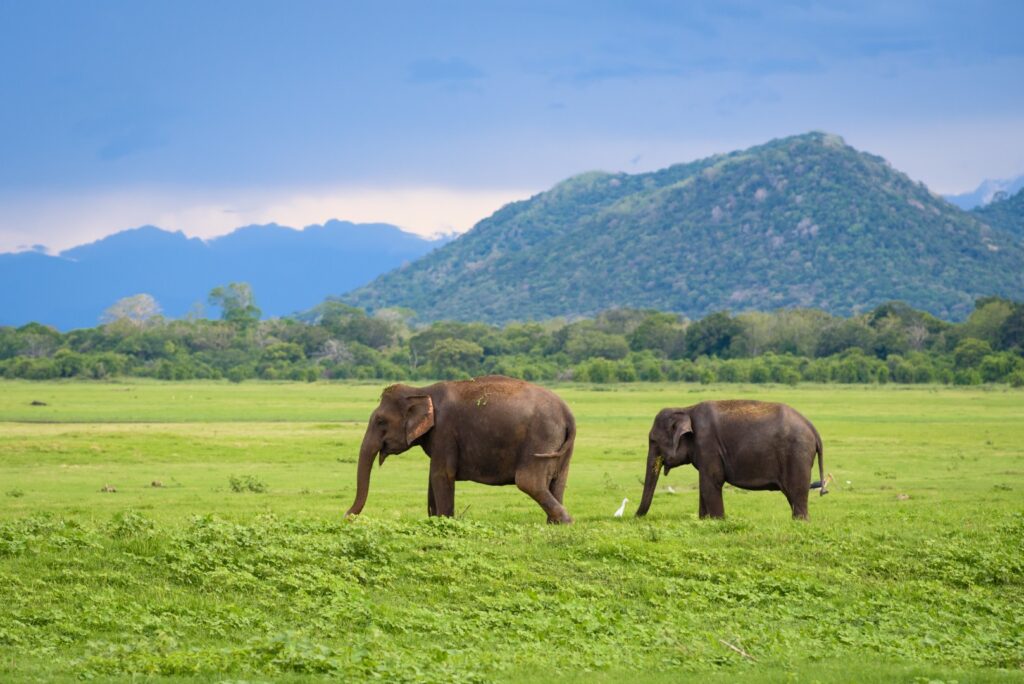
Famous for “The Gathering,” Minneriya hosts one of Asia’s largest seasonal elephant congregations, with several hundred elephants converging around its ancient reservoir as the dry season lowers water levels elsewhere. The spectacle, best viewed from an open-top jeep at dusk, draws wildlife photographers and safari enthusiasts from around the world during its peak months.
Best time: July to October.
Udawalawe
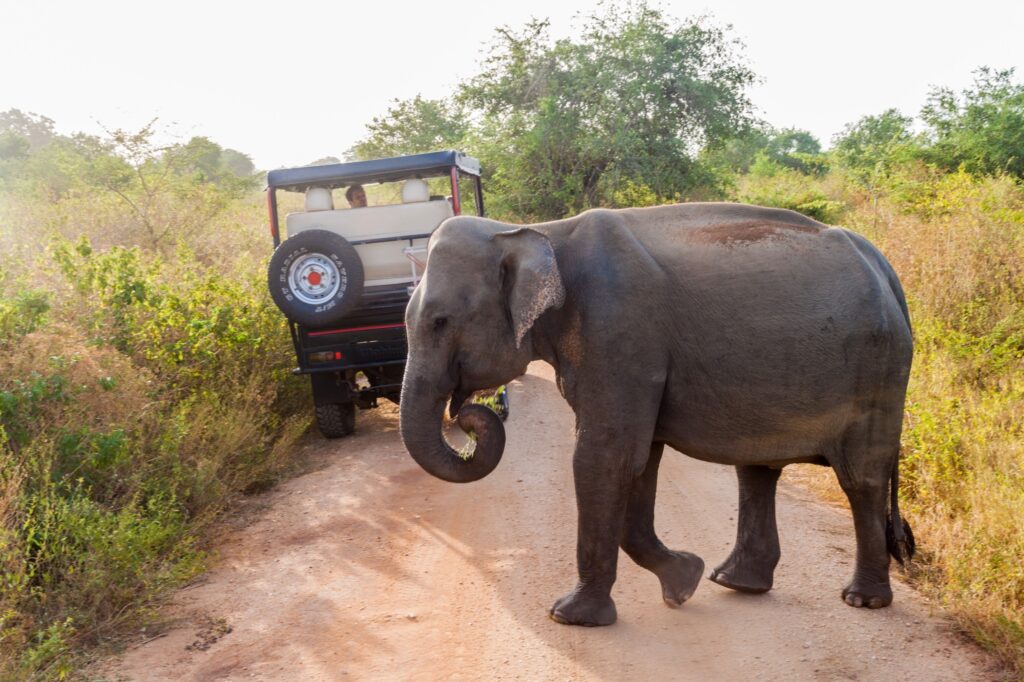
A reliable spot for elephant sightings year-round, Udawalawe owes its consistency to open grassland terrain that makes wildlife easy to spot, as well as its proximity to an elephant transit home caring for orphaned calves. Large herds gather near the reservoir throughout the day, making this one of the most dependable parks in Sri Lanka for guaranteed elephant encounters.
Best time: Year-round, especially May to September.
Wilpattu
Sri Lanka’s largest national park, Wilpattu is known for its natural lakes, called villus, scattered throughout the dry-zone forest, and a healthy leopard population that thrives in this quieter, less-crowded setting compared to the south. Sloth bears, elephants and abundant birdlife also call the park home, rewarding patient visitors with a more untouched, off-the-beaten-path safari experience.
Best time: February to October.
Sri Lanka’s spiritual landscape spans Buddhist, Hindu and multi-faith sites of deep significance, many still active centres of worship and pilgrimage today. These trails connect travellers to the island’s living devotional traditions.
Jaffna
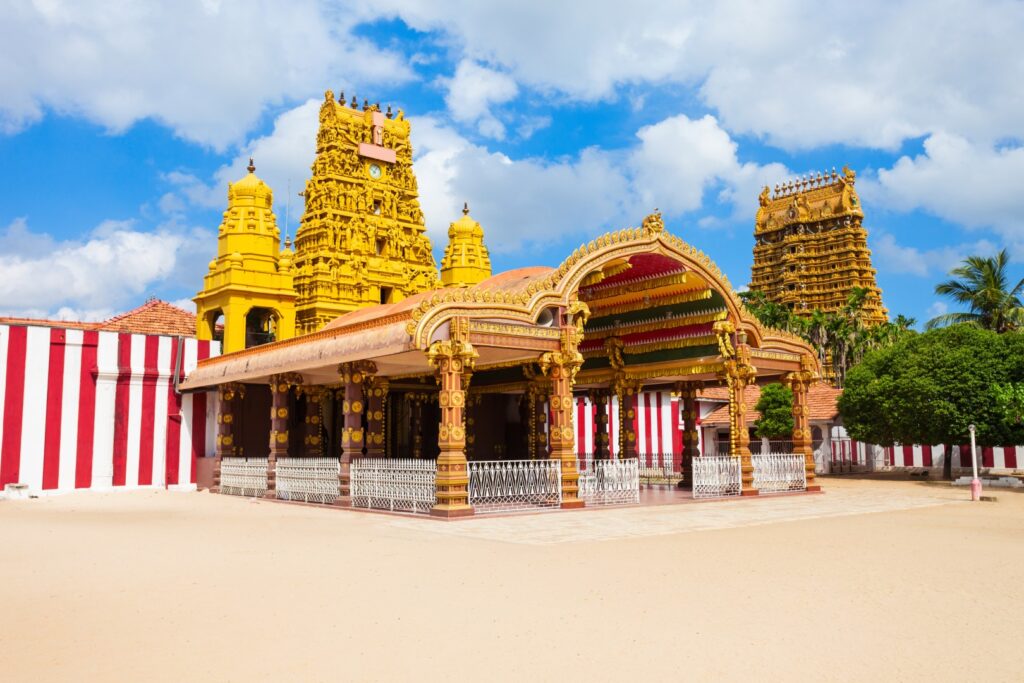
The cultural heart of Sri Lanka’s Tamil north, Jaffna, is known for its distinct Hindu temple architecture, including the striking Nallur Kandaswamy Kovil with its towering, intricately carved gopuram. Beyond its temples, the town offers a distinct culinary tradition, colonial-era forts and a slower pace, giving visitors a markedly different perspective on Sri Lankan culture and history.
Best time: May to September.
Kataragama
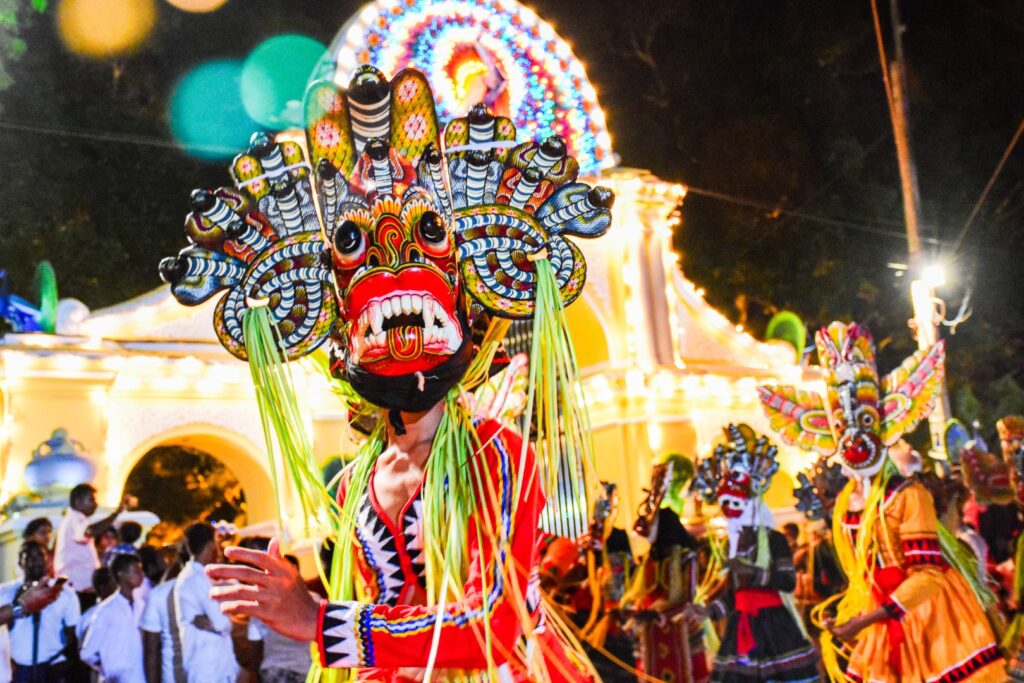
A multi-religious pilgrimage town, Kataragama is sacred to Buddhists, Hindus and indigenous Vedda communities alike, centred on the Kataragama shrine complex where different faiths worship side by side. The atmosphere is especially charged during the annual Esala festival, when fire-walking ceremonies and processions draw thousands of pilgrims from across the island and beyond.
Best time: Kataragama Esala festival, July or August.
Koneswaram Temple, Trincomalee
A dramatic Hindu temple perched on a coastal cliff, Koneswaram is one of Sri Lanka’s most important Shaivite pilgrimage sites, drawing devotees for centuries to its edge-of-the-world setting above the Indian Ocean. The temple’s colourful gopuram and panoramic ocean views make it a striking stop, blending devotional significance with some of the finest coastal scenery on the island.
Best time: Year-round.
Adam’s Peak
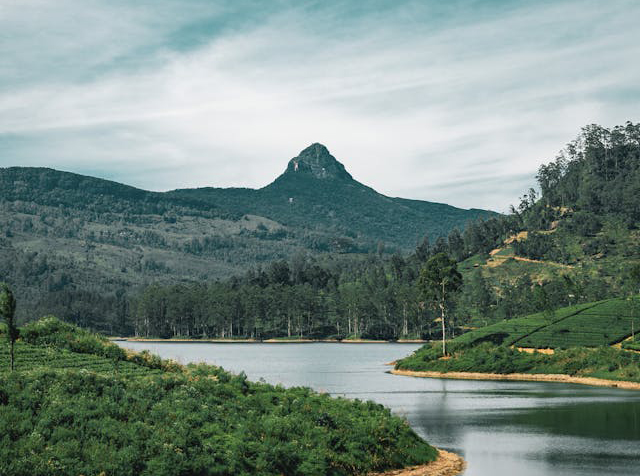
A pilgrimage mountain sacred to multiple faiths, Adam’s Peak is climbed overnight along thousands of illuminated steps to reach the summit in time for sunrise. At the top, the mountain’s famous “shadow” phenomenon, a perfect triangular silhouette cast across the clouds, rewards those who make the pre-dawn ascent, alongside sweeping views across the surrounding hill country.
Best time: December to May.
Temple of the Tooth, Kandy
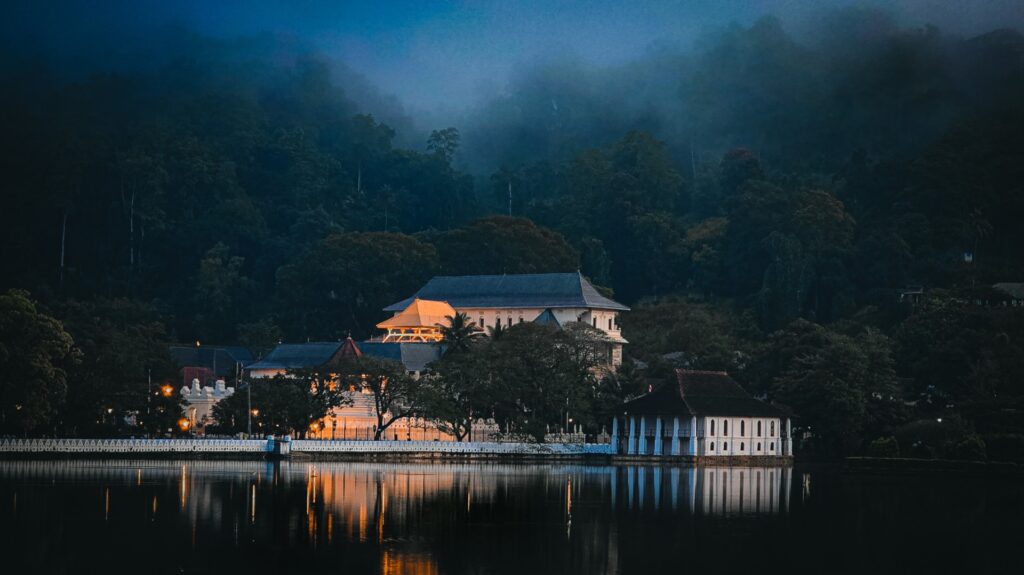
Sri Lanka’s most revered Buddhist shrine, the Temple of the Tooth is said to house a relic of the Buddha’s tooth, set within the historic royal complex of Kandy beside a tranquil lake. Daily rituals draw worshippers throughout the year, while the Esala Perahera festival transforms the town with elaborately decorated elephants, dancers and drummers parading through the streets.